Table of Contents
- Why Burnout Recovery Needs a Different Approach
- What Burnout Really Does to the Nervous System
- What Seasonal Living Means in Burnout Recovery
- Why Seasonal Rhythms Help Healing Burnout Naturally
- Signs Your Nervous System Needs Seasonal Recovery
- Seasonal Practices That Support Burnout Recovery
- How Nervous System Repair Happens Over Time
- A Real-Life Example of Burnout Recovery Through Seasonal Living
- Conclusion
- Frequently Asked Questions
Why Burnout Recovery Needs a Different Approach
Burnout is not just feeling tired after a long week. It is a deeper form of exhaustion that affects the body, mind, and emotions. Many people try to recover from burnout by taking a few days off or sleeping more, but the relief often disappears once daily responsibilities return. The reason is simple: burnout usually develops over long periods of constant pressure, and it cannot be reversed by short breaks alone.
Burnout recovery and seasonal living offer a different perspective. Instead of forcing the body to function at the same level all year, it encourages working with natural rhythms of rest and activity. Just as nature moves through cycles of growth and recovery, humans also need periods of slowing down. When recovery follows these rhythms, healing burnout naturally becomes more realistic and sustainable.
What Burnout Really Does to the Nervous System
Burnout affects the nervous system more than many people realize. Long-term stress keeps the body in a state of alertness, sometimes called survival mode. In this state, the nervous system constantly prepares the body to deal with pressure or problems. While this response is useful in short bursts, staying in it for months or years drains energy reserves.
How Burnout Disrupts Natural Energy Cycles
When the nervous system stays activated for too long, the body loses its natural rhythm of effort and recovery. Sleep may feel lighter, focus becomes harder, and even simple tasks can feel overwhelming. This is why burnout often comes with symptoms like brain fog, irritability, and emotional numbness.
Nervous system repair begins when the body feels safe enough to leave survival mode. Instead of pushing through exhaustion, recovery requires gentle signals of rest and stability. Seasonal living helps create these signals by aligning daily life with natural cycles of slowing down and rebuilding energy.
What Seasonal Living Means in Burnout Recovery
Seasonal living is the practice of adjusting your lifestyle according to natural cycles rather than maintaining the same level of activity all year. In nature, growth and rest alternate continuously. Trees grow during warmer months and conserve energy in winter. Human energy works in similar patterns, but modern routines often ignore these shifts.
When applied to burnout recovery and seasonal living, this approach encourages honoring the body’s changing needs. Some periods may require more rest, reflection, and recovery. Other periods naturally support creativity and productivity. Healing burnout naturally becomes easier when recovery is treated as a cycle rather than a one-time event.
Seasonal living also encourages noticing subtle signals from the body. Fatigue, tension, or emotional overwhelm can indicate that the nervous system needs slower pacing. Instead of ignoring these signals, seasonal rhythms make space for nervous system repair through consistent rest, reflection, and gentle movement.
Why Seasonal Rhythms Help Healing Burnout Naturally
Seasonal rhythms support recovery because they remove the pressure to function at the same intensity every day. When people try to maintain constant productivity, the nervous system rarely receives the rest it needs to repair itself. Seasonal living introduces natural pauses that allow energy to rebuild gradually.
A helpful way to understand this difference is by comparing two lifestyle patterns.
| Burnout Lifestyle | Seasonal Living Approach |
| Constant productivity | Cycles of effort and rest |
| Ignoring fatigue signals | Listening to body rhythms |
| Same routine year-round | Adjusting pace with seasons |
| Pressure to perform daily | Space for recovery and reflection |
These rhythms reduce the stress load on the body. Instead of pushing through exhaustion, people learn to move between activity and restoration more naturally. Over time, this balance supports nervous system repair and makes healing burnout naturally more achievable.
Join Rhythms of Renewal
Step into a supportive community and a gentle rhythm of care. Each month brings seasonal guidance, nourishing practices, and space to reconnect with balance—body, mind, and spirit.
It’s not about doing more — it’s about doing what matters, in harmony with the seasons of your life.
Signs Your Nervous System Needs Seasonal Recovery
Burnout does not always appear suddenly. Often, it develops through smaller signs that the nervous system has been under stress for too long. Recognizing these signals early can help prevent deeper exhaustion.
Common signs include:
- Feeling exhausted after simple tasks
Activities that once felt easy may suddenly require much more energy.
- Frequent irritability or emotional sensitivity
When the nervous system is overloaded, patience and emotional balance become harder to maintain.
- Difficulty focusing or persistent brain fog
Mental clarity often decreases when the body lacks proper recovery time.
- Trouble falling or staying asleep
Even when tired, the mind may remain active because the nervous system is still alert.
- Loss of motivation or emotional numbness
Burnout can create a sense of detachment from work, relationships, or personal goals.
These signs suggest the body may need slower rhythms and deeper recovery. Seasonal living can provide that structure by allowing the nervous system to move gradually back toward balance.
Seasonal Practices That Support Burnout Recovery
Seasonal living does not require dramatic lifestyle changes. Instead, it focuses on small practices that help the nervous system return to a balanced rhythm. When burnout is present, the body needs gentle signals that it is safe to slow down. These signals help shift the nervous system away from constant stress toward gradual repair.
Some seasonal practices that support healing burnout naturally include:
- Slowing routines during low-energy seasons
During colder months or periods of emotional fatigue, it can help to reduce unnecessary commitments and allow more time for rest and reflection. This mirrors how nature conserves energy during winter.
- Spending time in natural light and outdoor environments
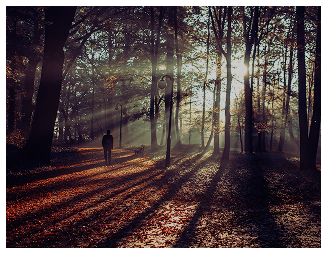
Natural light helps regulate sleep cycles and mood. Even short walks outside can support nervous system repair by calming stress responses.
- Creating daily transition pauses
Burnout often comes from moving quickly between responsibilities without rest. Short pauses between tasks give the nervous system time to reset.
- Seasonal reflection practices
Taking time to reflect at the end of a season can help release mental pressure and bring awareness to how your energy changes over time.
These practices may appear simple, but their consistency gradually restores the body’s natural recovery rhythm.
How Nervous System Repair Happens Over Time
Burnout recovery rarely happens overnight. When the nervous system has been in survival mode for a long time, it needs repeated experiences of safety before it can fully relax. This process is often gradual and requires patience.
Why Recovery Must Be Slow and Consistent
The nervous system learns through repetition. Each time the body experiences calm breathing, rest, or supportive routines, it receives a signal that danger is no longer present. Over time, these signals help rebuild the body’s ability to regulate stress. This is the foundation of nervous system repair. Consistency is far more important than intensity during recovery. A few minutes of daily restorative practices can be more effective than occasional long breaks. When these moments of calm become regular, the body slowly shifts away from chronic stress and toward sustainable energy.
Tip
Instead of trying to completely change your routine at once, introduce one small seasonal habit each week. This could be a short walk in nature, an earlier bedtime, or a daily pause before starting work. Small changes repeated consistently are often the most effective way to support burnout recovery.
A Real-Life Example of Burnout Recovery Through Seasonal Living
Consider someone who has spent several years working in a demanding job. They feel constantly tired and emotionally drained, even during weekends. Although they try to rest, their mind remains busy with unfinished tasks and responsibilities. When they begin practicing seasonal living, they start by adjusting their daily rhythm. In the winter months, they reduce evening commitments and focus on rest and quiet activities. In spring, they slowly introduce more movement and outdoor time. Instead of expecting immediate productivity, they allow their energy to return gradually.
After several months, the changes become noticeable. Their sleep improves, their mood stabilizes, and they no longer feel overwhelmed by small tasks. The shift did not happen instantly, but the steady rhythm of seasonal living allowed their nervous system to rebuild its natural balance.
Join Rhythms of Renewal
Step into a supportive community and a gentle rhythm of care. Each month brings seasonal guidance, nourishing practices, and space to reconnect with balance—body, mind, and spirit.
It’s not about doing more — it’s about doing what matters, in harmony with the seasons of your life.
Conclusion
Burnout is often the result of long periods without proper recovery. Seasonal living offers a natural approach to burnout recovery by restoring cycles of effort and rest. Instead of forcing the body to perform the same way all year, it encourages listening to natural rhythms and supporting nervous system repair through consistent, gentle practices. When recovery follows these rhythms, healing burnout naturally becomes a gradual and sustainable process rather than a temporary solution.
Frequently Asked Questions
What is burnout recovery seasonal living?
Burnout recovery seasonal living is an approach that supports healing by aligning work, rest, and daily routines with natural seasonal rhythms. This helps the body recover gradually from long-term stress.
Can burnout heal naturally without medication?
In many cases, burnout can improve through lifestyle changes that support nervous system repair, such as better rest, reduced stress, and consistent recovery practices. However, professional support may still be helpful for severe burnout.
How long does nervous system repair take after burnout?
Recovery time varies for each person. Some people begin feeling better within a few weeks, while deeper recovery can take several months, depending on stress levels and lifestyle changes.
What are the early signs of burnout?
Common early signs include persistent fatigue, difficulty concentrating, irritability, sleep problems, and feeling emotionally detached from work or daily activities.
Why does nature help with burnout recovery?
Natural environments help calm the nervous system by reducing stress signals and encouraging slower breathing, relaxed attention, and mental clarity.